

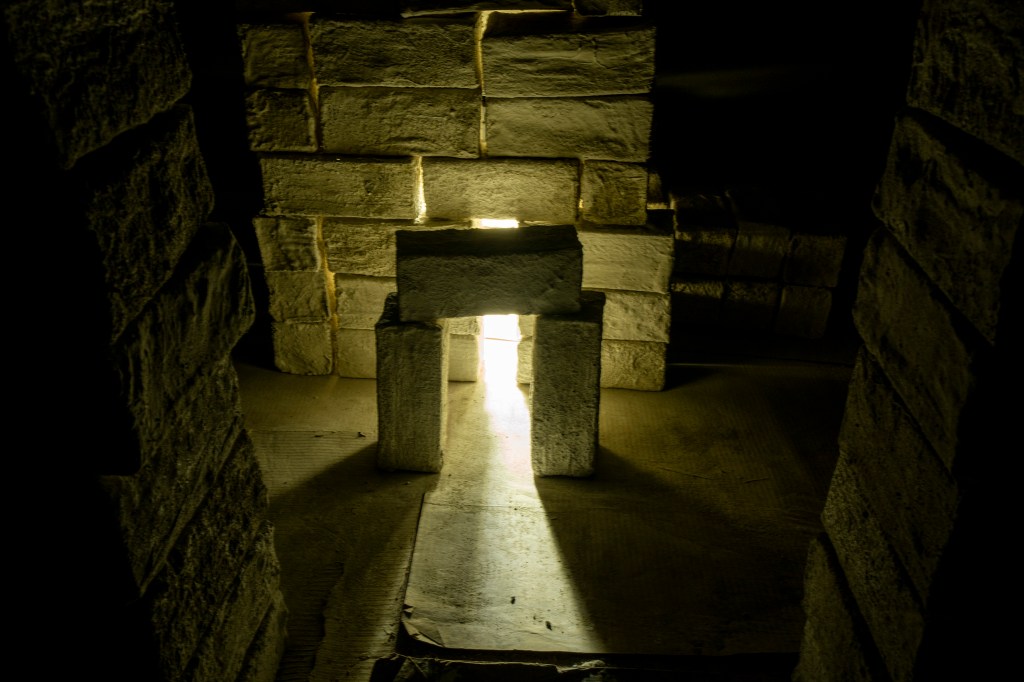
Living Ruin
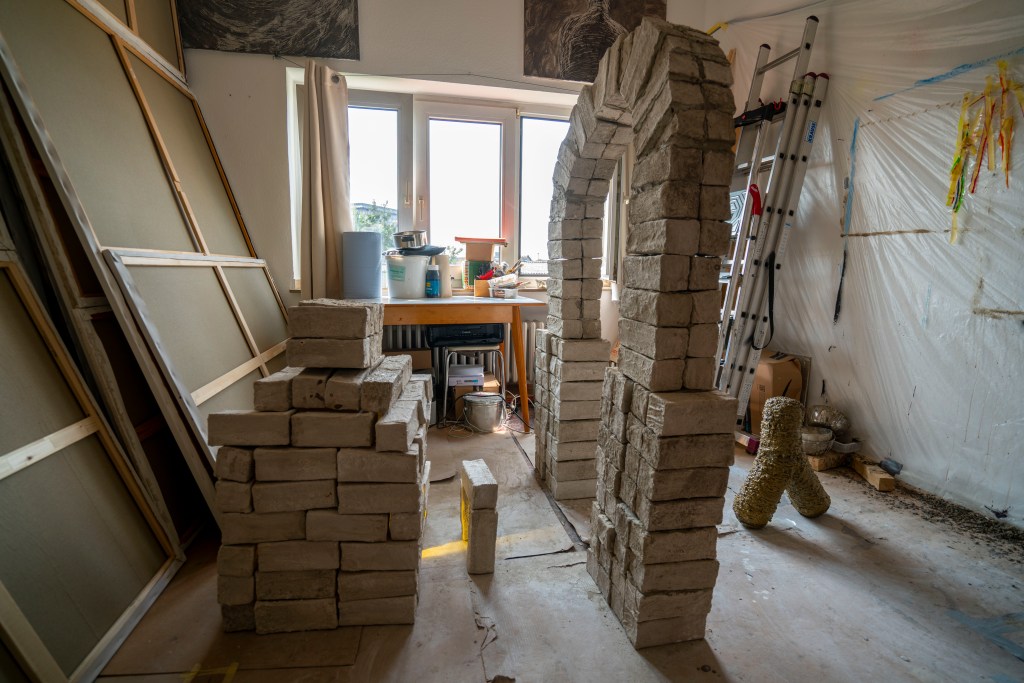
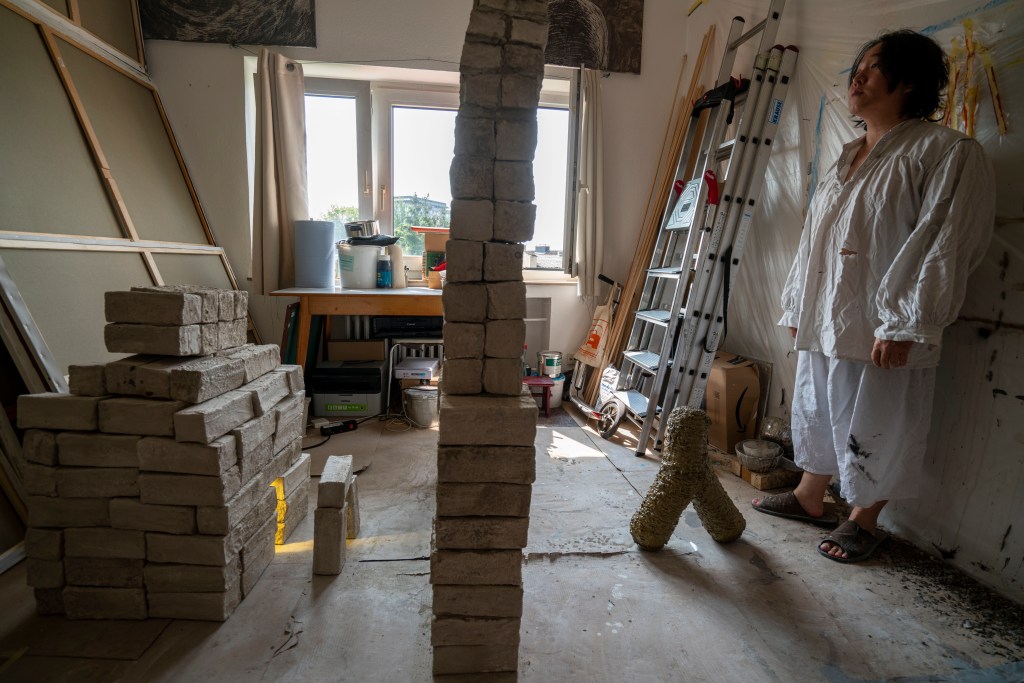
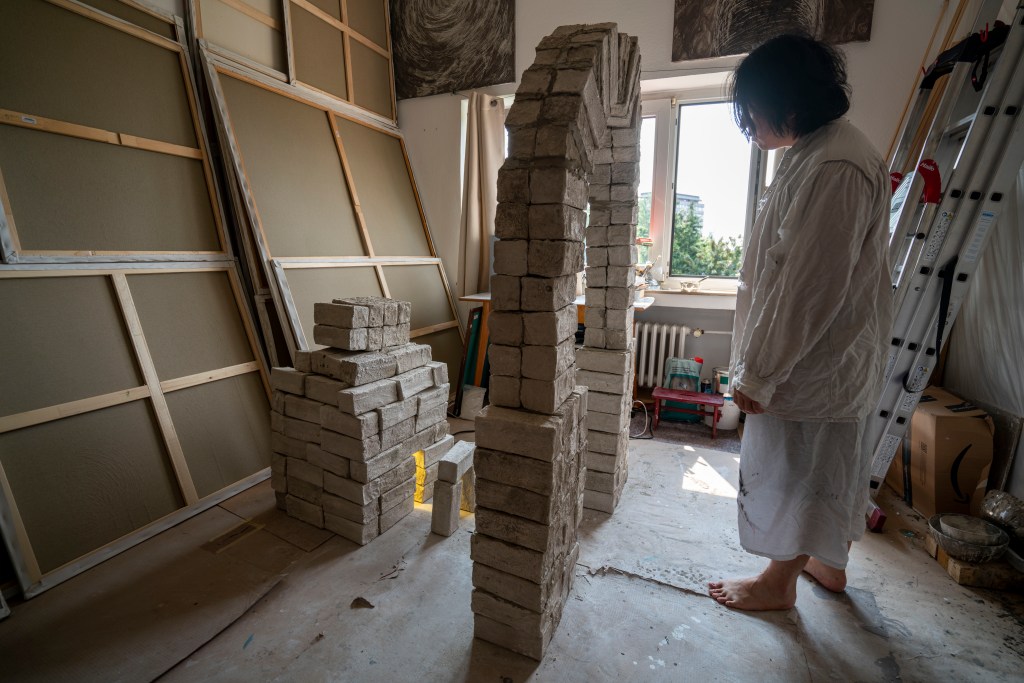
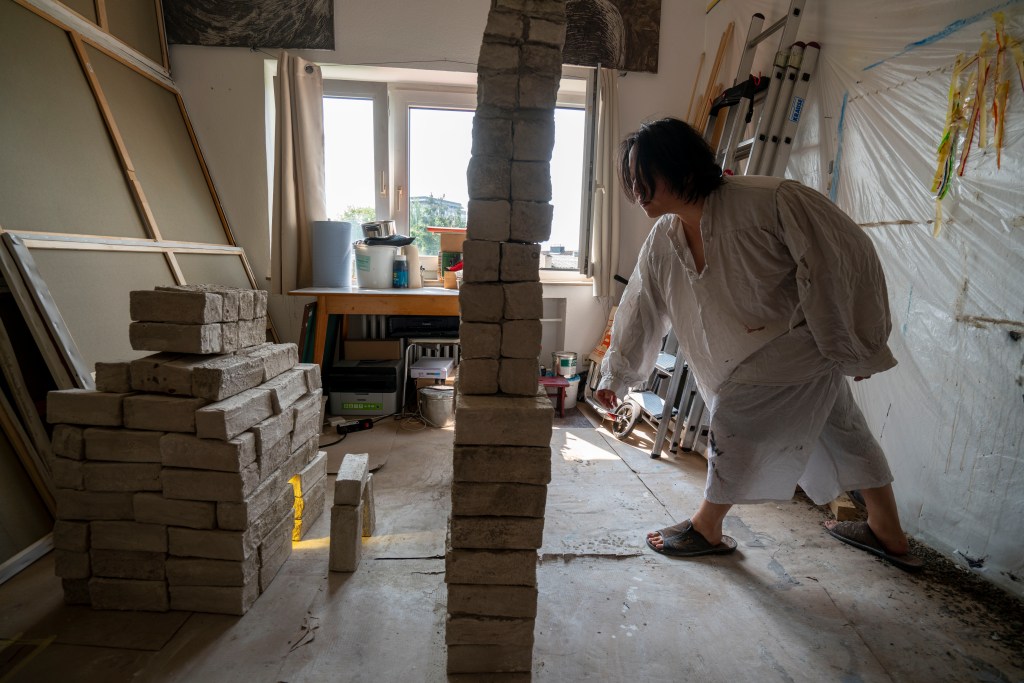
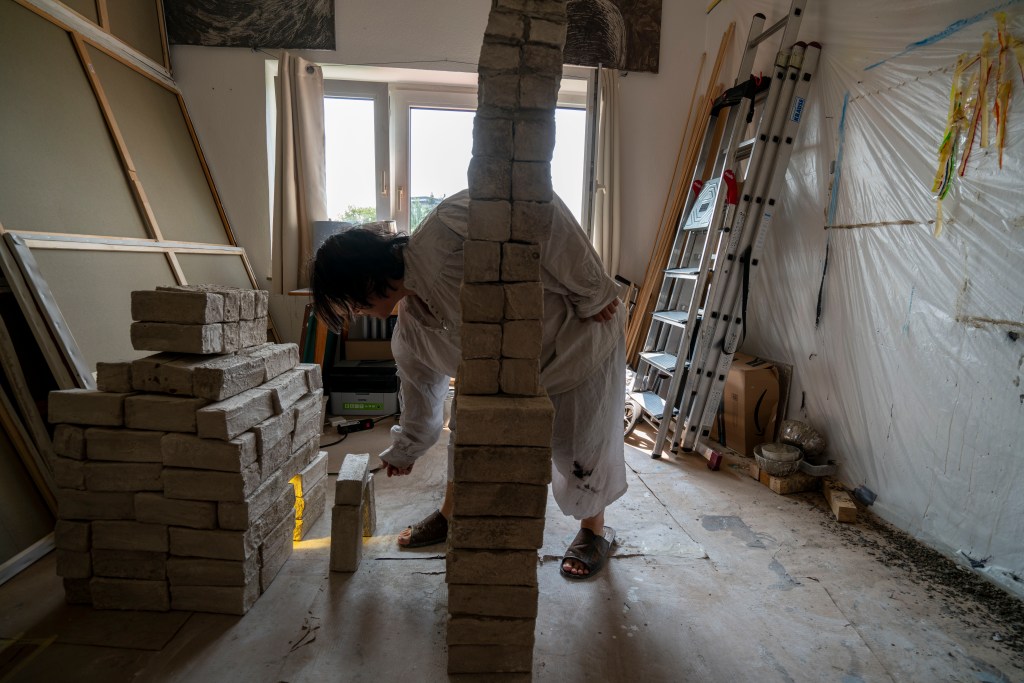
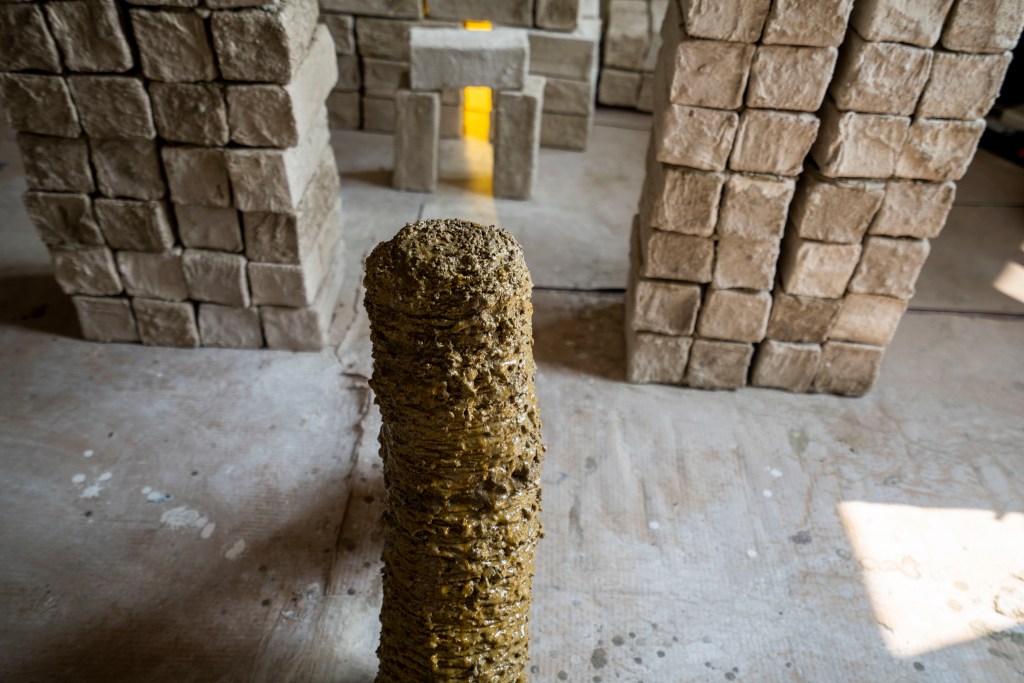
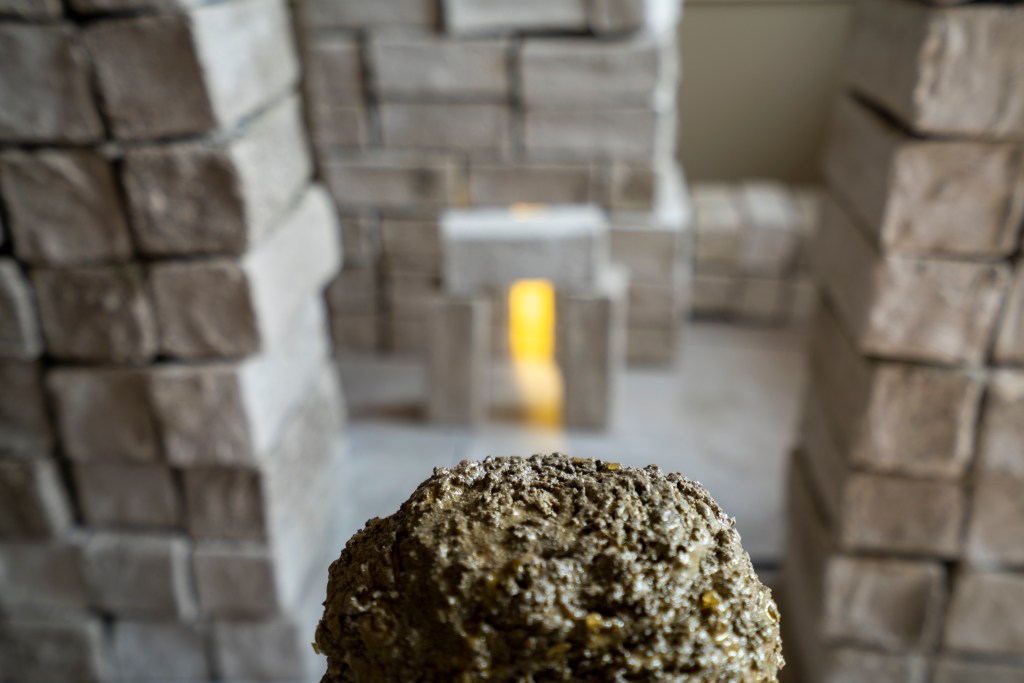
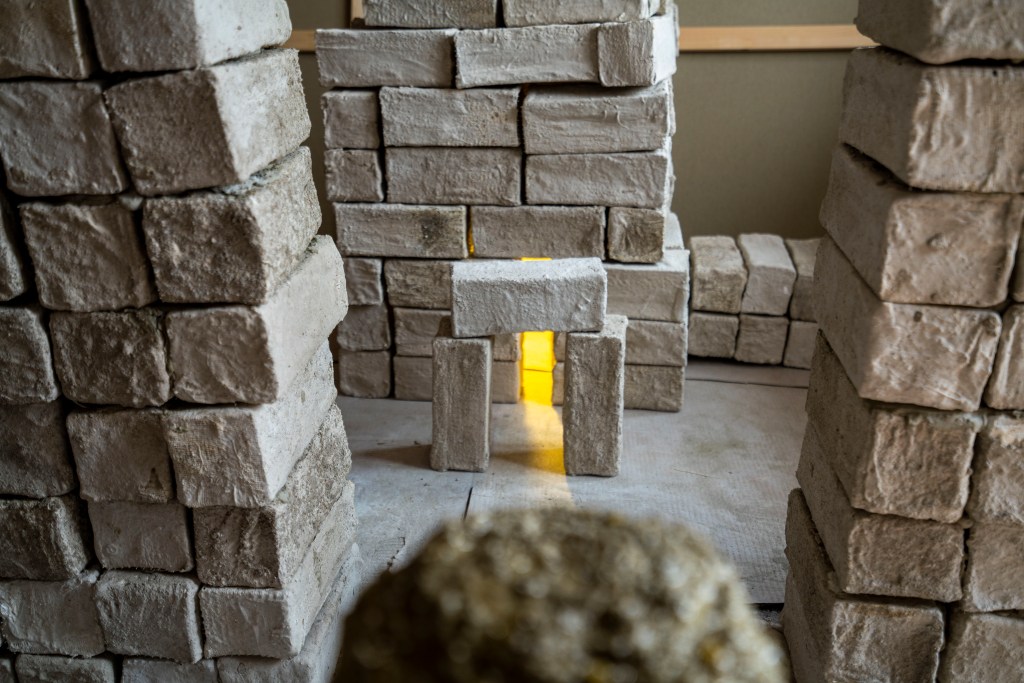
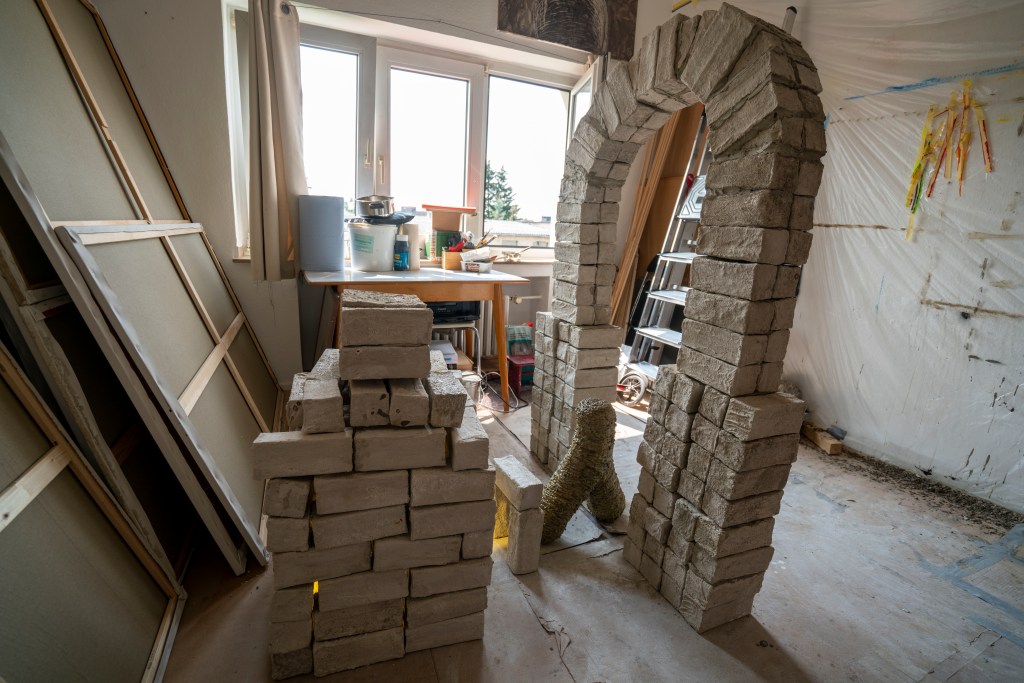
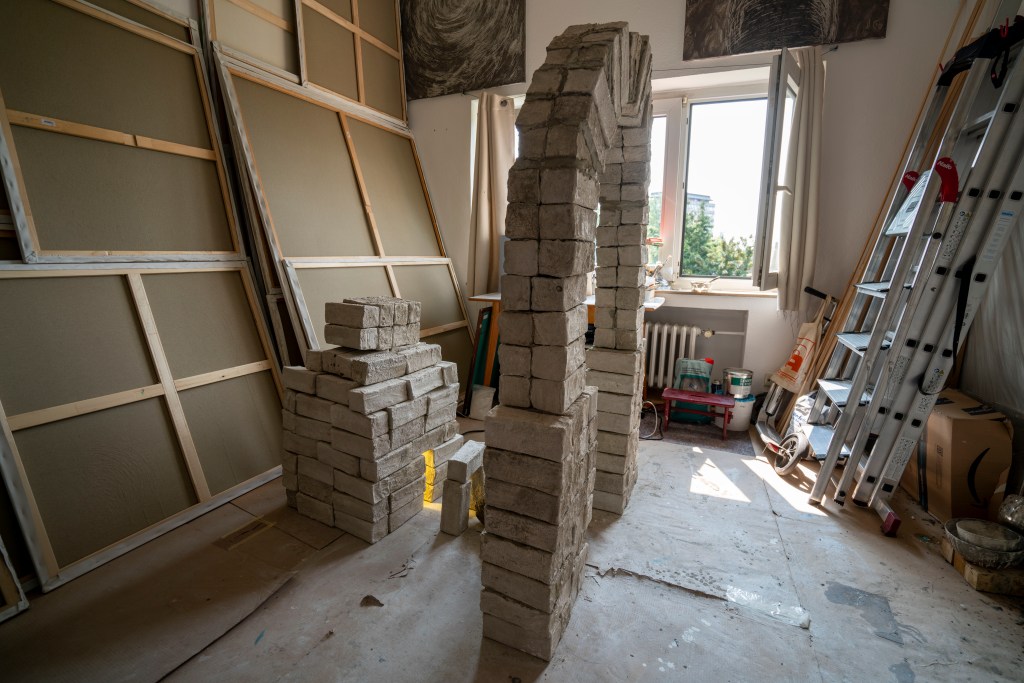
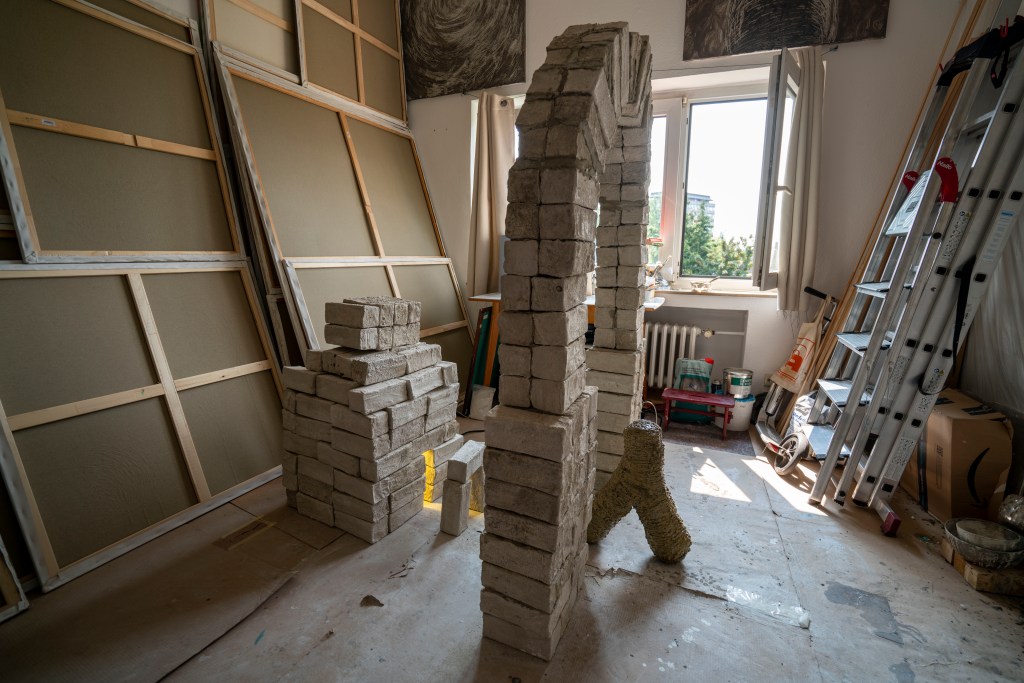
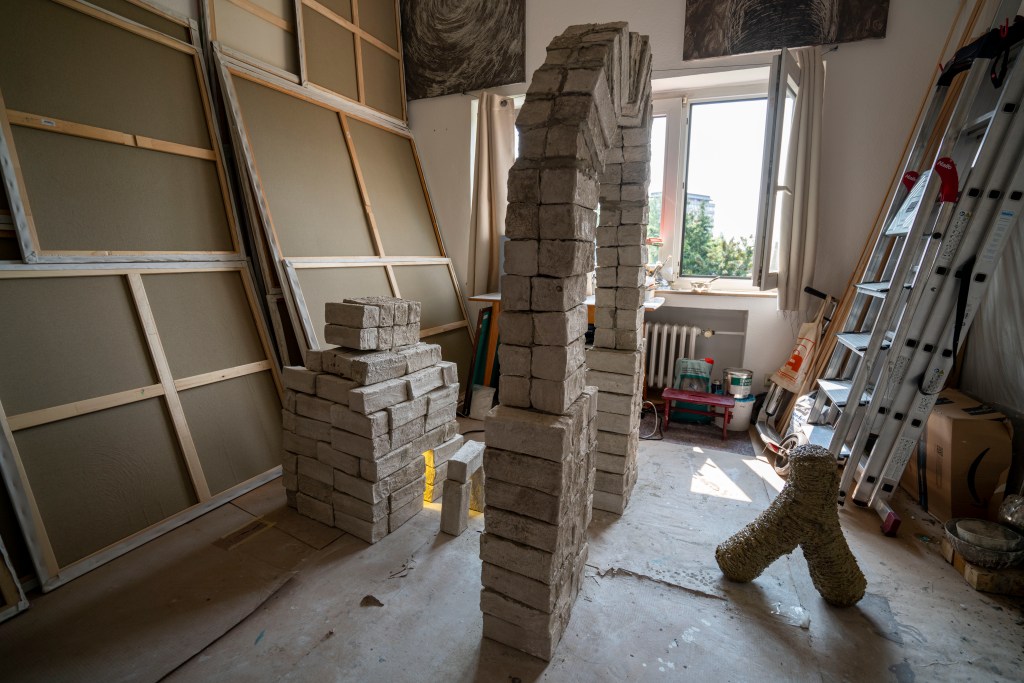
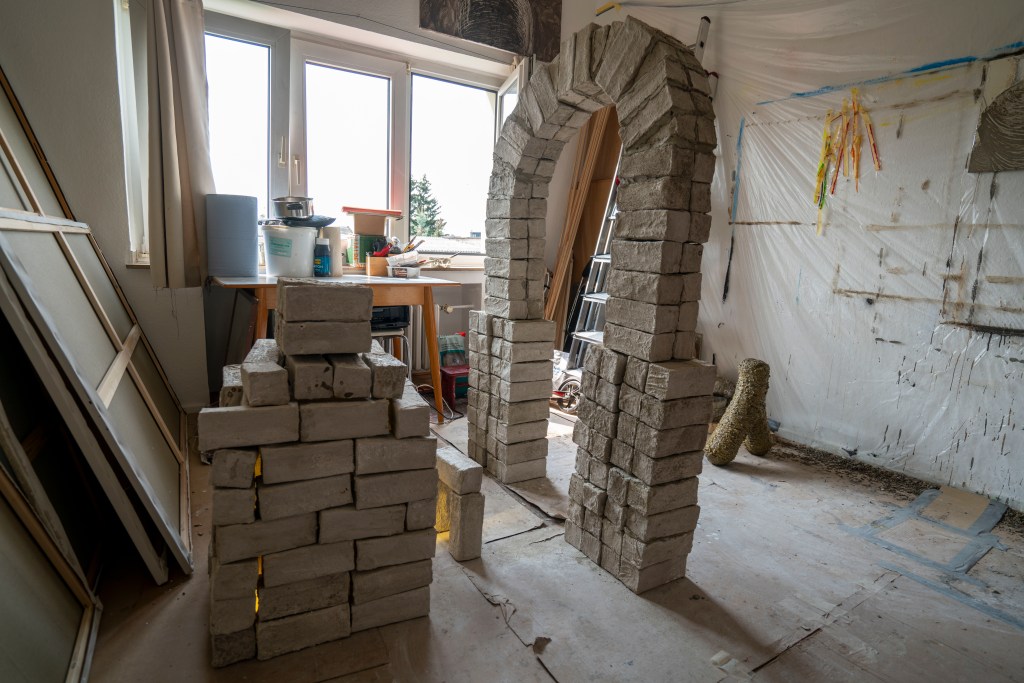
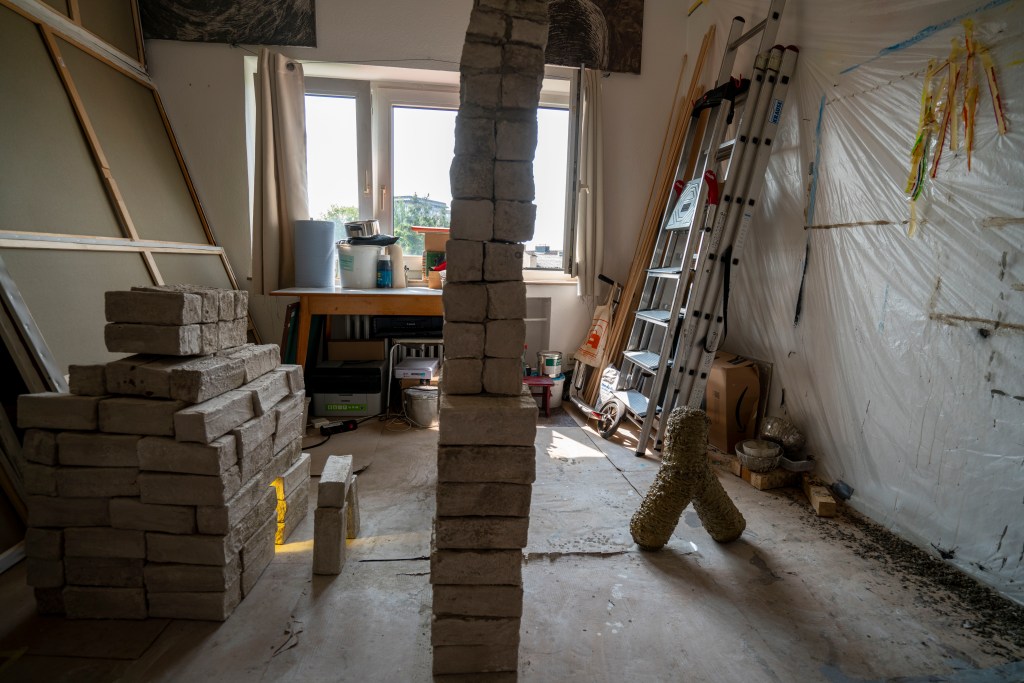
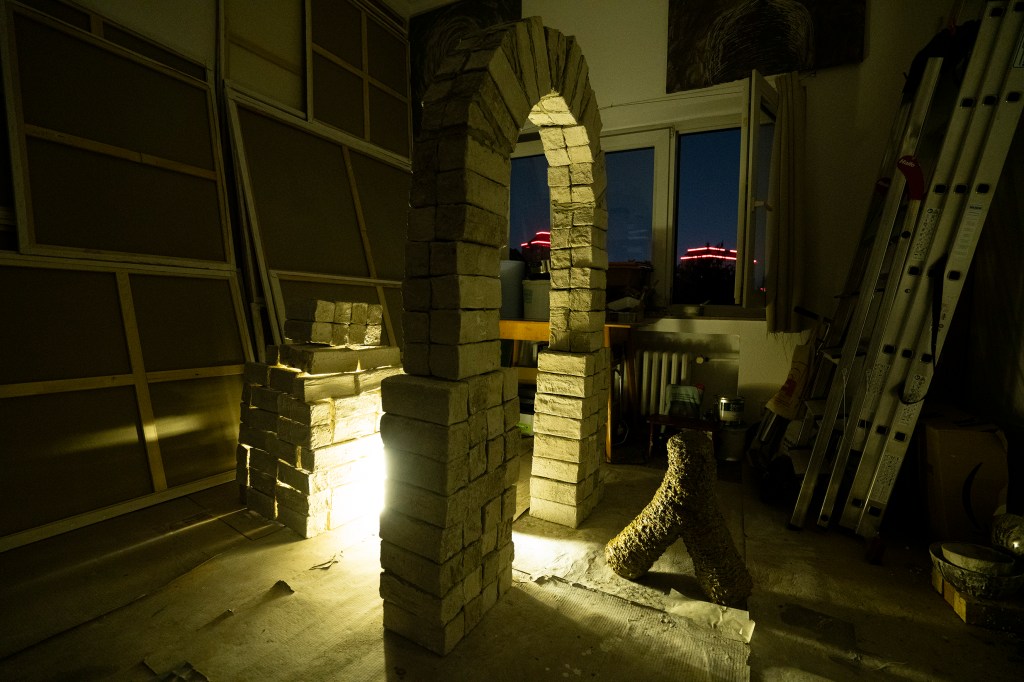
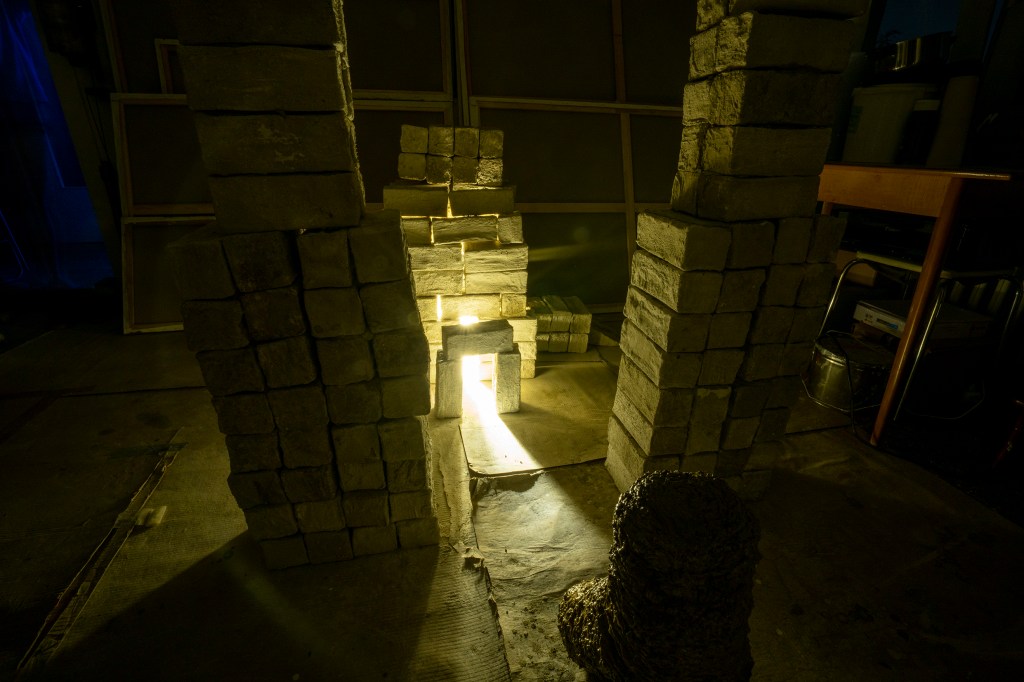
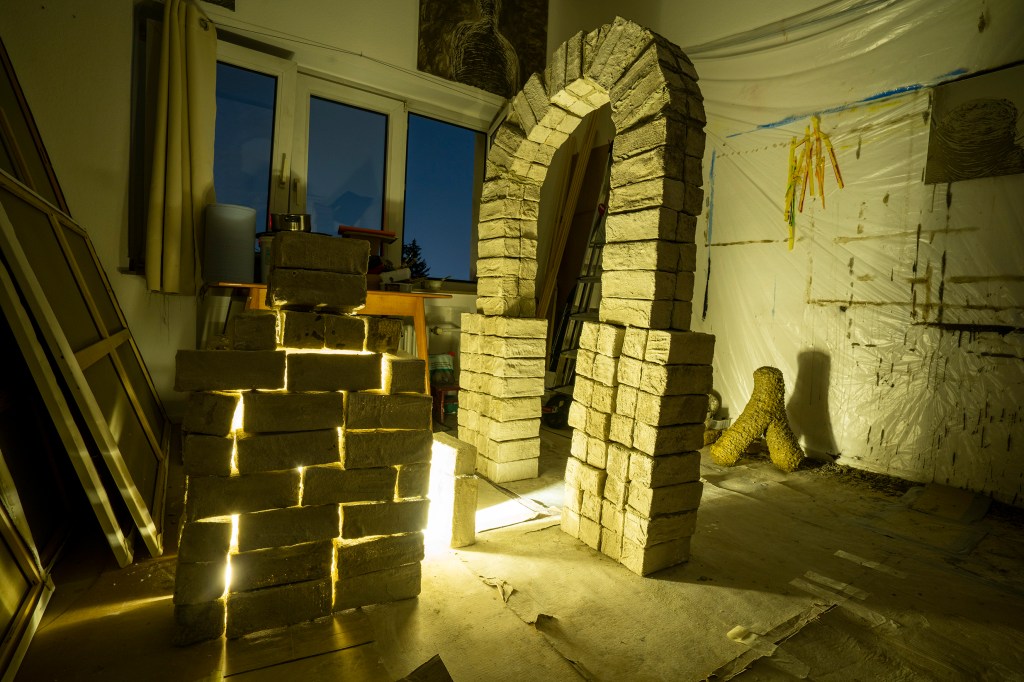
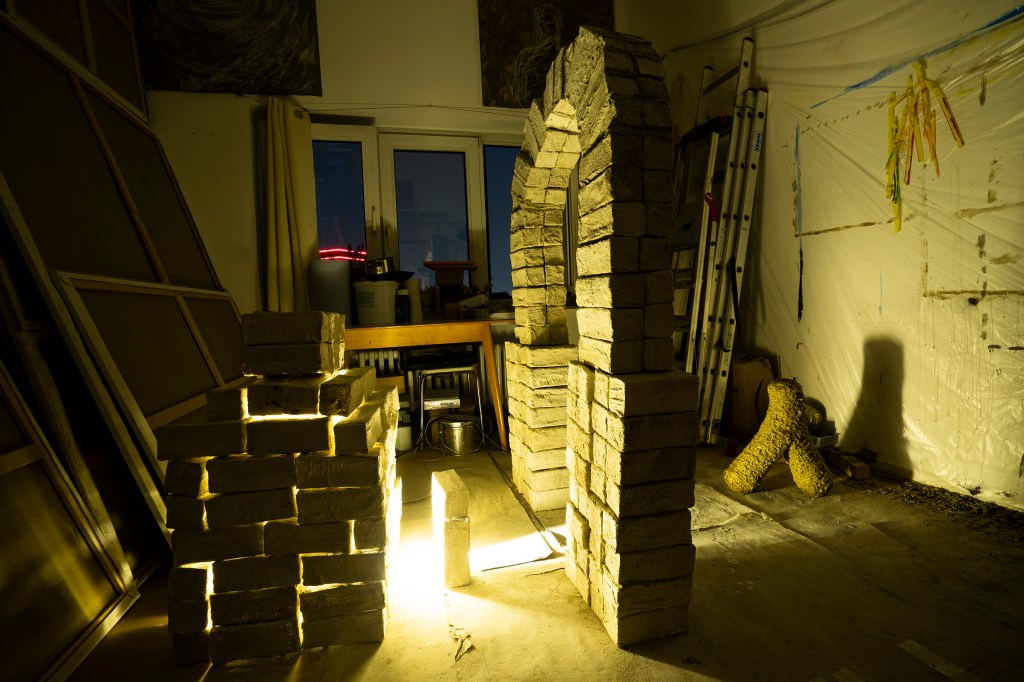
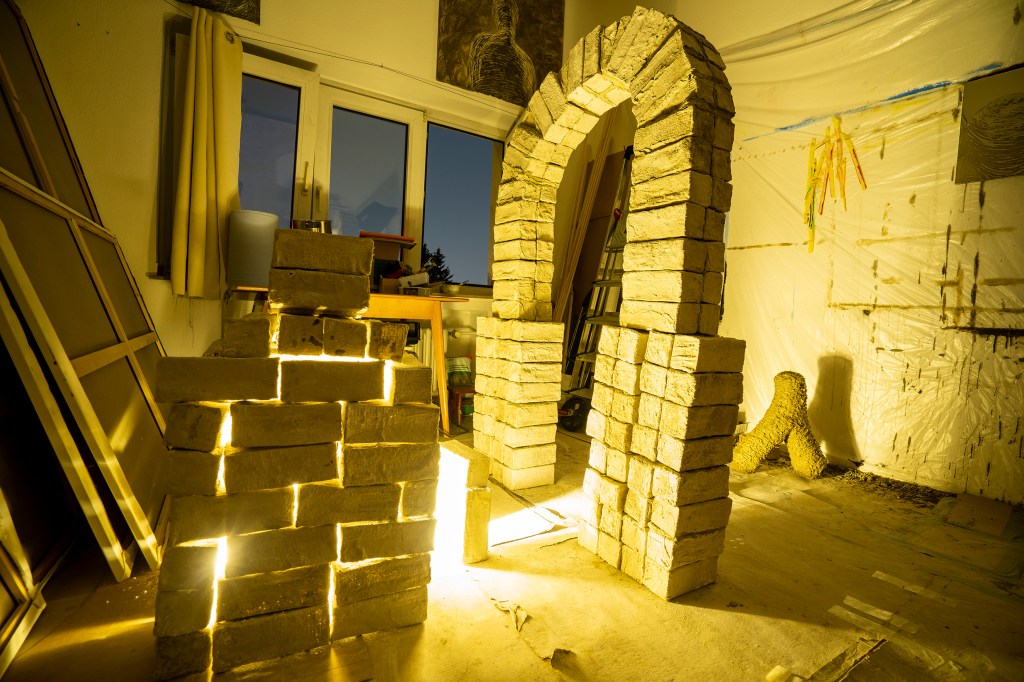
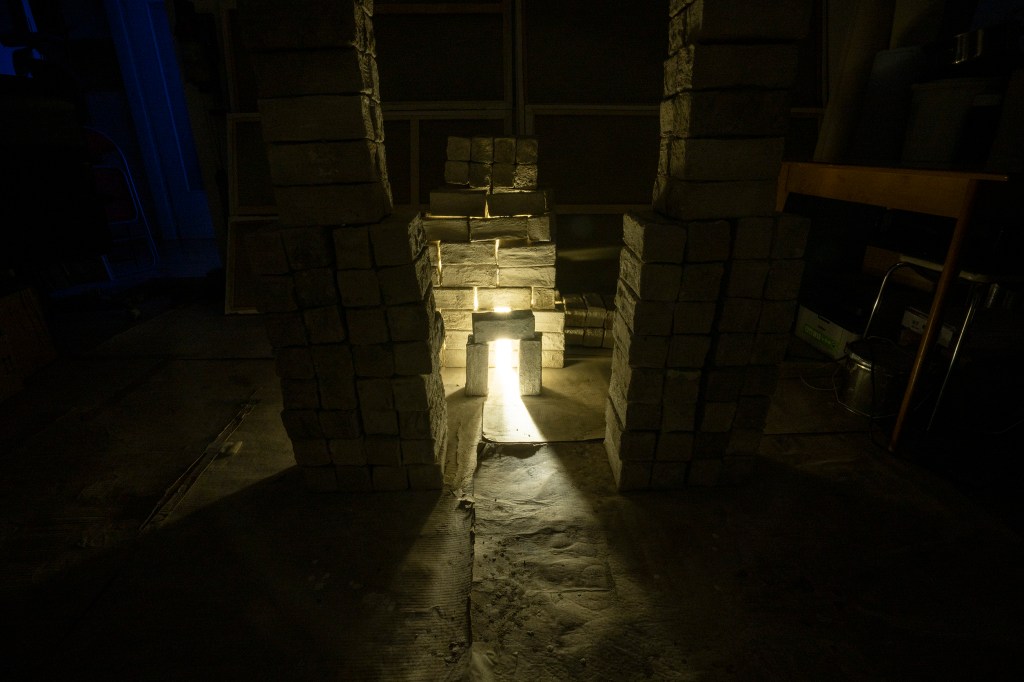
Ash, bone glue bricks, Lamp, installation / 2024
DE
Lebende Ruine
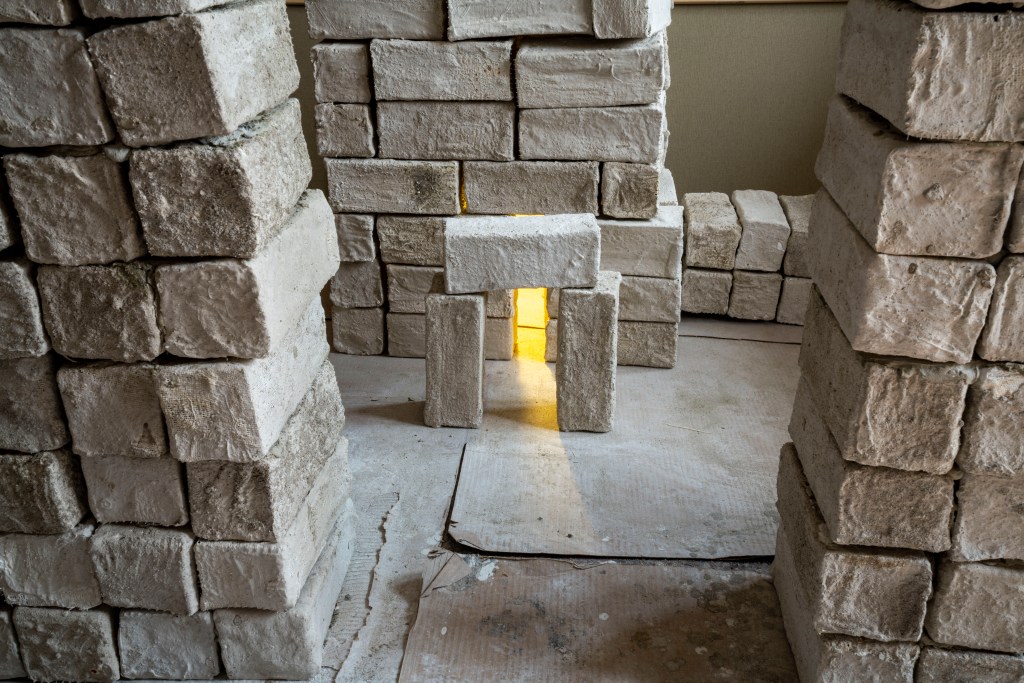
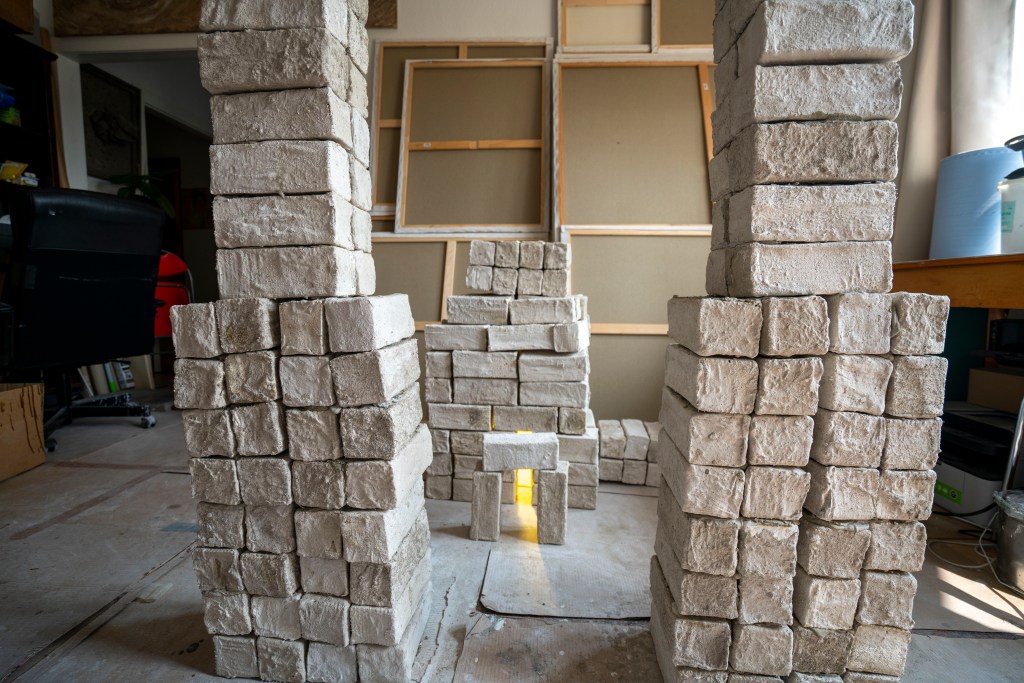
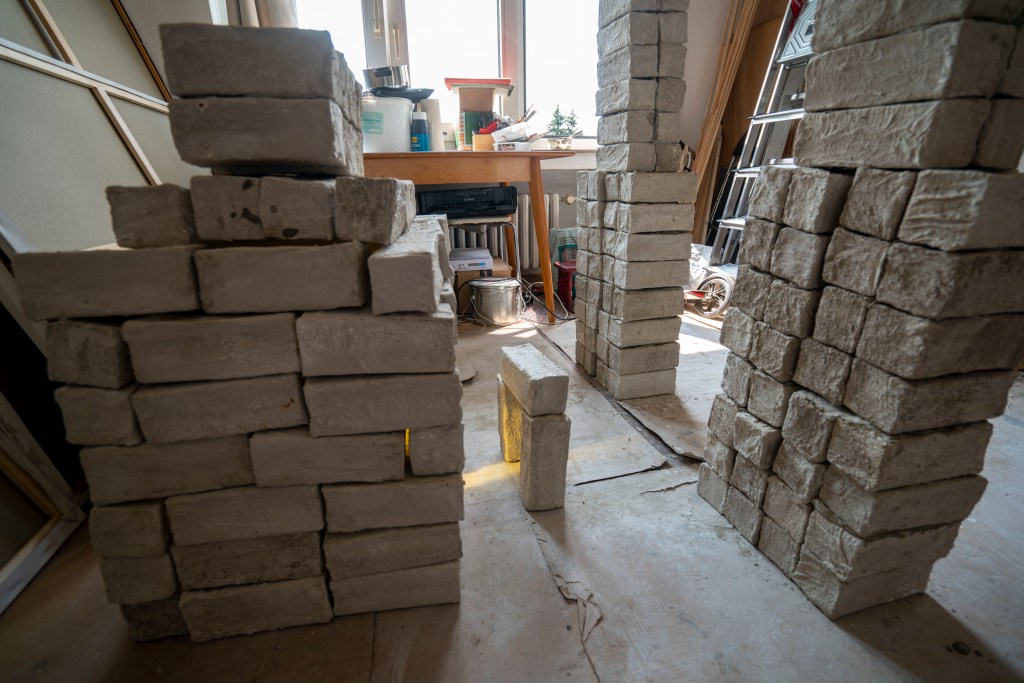
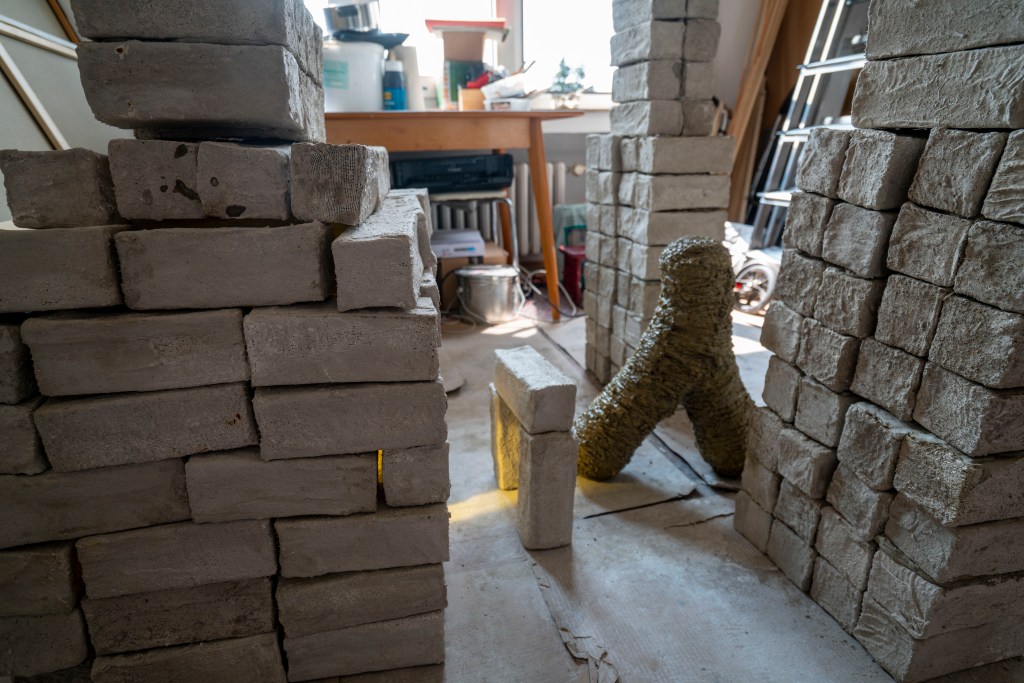
Aus Asche und Knochenleim geformte Ziegel erheben sich zu einem fragilen Tor und einer Mauer. Die Konstruktion erinnert an eine Stadt, doch sie steht stets am Rand des Einsturzes. Zwischen den Fugen strömt gleißendes Licht, das den aus den Resten des Todes errichteten Raum lebendig erscheinen lässt – und zugleich seine Brüchigkeit verhüllt.
Das Werk offenbart, dass die Fundamente einer Zivilisation nie rein oder dauerhaft sind. Der Mensch bindet die Spuren des Verschwindens, um eine neue Ordnung zu errichten und große Erzählungen darauf zu gründen. Doch das Material trägt bereits Verfall und Auflösung in sich. Der Bogen fungiert als Schwelle, die die Besucher*innen auffordert, selbst in diese unsichere Welt einzutreten.
„Lebende Ruine“ ist ein paradoxaler Ort: Er scheint zu atmen, während er zerfällt. Die Arbeit fragt uns, welche Kräfte unsere Zivilisation, unsere Überzeugungen und unsere Lebensstrukturen zusammenhalten – und welche Heuchelei und Wahrheit in ihren Fugen eingeschrieben sind.
KR
살아 있는 폐허
재와 뼈아교로 빚어진 벽돌들은 불안정하게 쌓여 아치와 벽을 이룬다. 이 구조물은 마치 도시의 흔적처럼 서 있으나, 그 자체가 언제든 붕괴할 수 있는 불안정한 상태에 놓여 있다. 벽돌 틈새로 흘러나오는 강렬한 빛은 죽음의 잔여로 세워진 공간을 생기 있는 도시처럼 가장하지만, 동시에 그 균열과 허약함을 은폐한다.
이 작품은 문명을 지탱하는 힘이 결코 순수하거나 견고하지 않음을 드러낸다. 인간은 소멸의 흔적을 결속해 새로운 질서를 구축하고, 그 위에 위대한 서사를 세우지만, 그 기초는 이미 부식과 해체를 내포한 물질이다. 아치는 문지방의 상징으로, 관객에게 이 불안정한 세계에 발을 들이는 행위를 묻는다.
「살아 있는 폐허」는 숨 쉬듯 살아 있는 듯 보이지만 동시에 무너지는 역설의 공간이다. 작품은 우리에게 묻는다. 문명과 신념, 그리고 우리가 속한 삶의 구조를 붙잡는 힘은 무엇이며, 그 힘 속에 어떤 위선과 진실이 공존하는가.
EN
Living Ruin
Bricks formed from ash and bone glue rise into a fragile arch and wall. The structure recalls the remnants of a city, yet it stands on the edge of collapse. From the seams spills a piercing light that makes this place—built from the residues of death—appear alive, while at the same time concealing its inherent fragility.
The work reveals that the foundations of civilization are never pure or permanent. Humanity binds the traces of disappearance to construct a new order and build great narratives upon it. Yet the material itself already carries decay and dissolution within. The arch functions as a threshold, inviting the viewer to step into this precarious world and become part of its unstable order.
Living Ruin is a paradoxical space: it seems to breathe while it disintegrates. The work asks us what truly holds together our civilizations, our convictions, and the structures of our lives—and what forms of hypocrisy and truth are inscribed in their very seams.
 Yohan Koo 구 요한